


Can Foreigners Buy Property in Peru?

Quick Answer
Foreigners can buy property in Peru with the same rights as local citizens. No residency or citizenship is required. The only restriction is a 50 kilometer buffer zone along national borders where foreign ownership is prohibited.
Key Takeaways
- 1Peruvian law grants foreign nationals full property rights equal to citizens with no residency requirement
- 2Always verify property title through SUNARP, the national public registry, before signing any agreement
- 3Budget for notary fees of 0.5 to 1 percent, legal fees of $1,000 to $3,000 USD, and a 3 percent transfer tax
- 4The Sacred Valley offers strong rental yields, low land prices compared to Mexico or Costa Rica, and a new international airport
- 5Hire a bilingual attorney who specializes in Peruvian real estate to manage the purchase and registration process
Peru is one of the most welcoming countries in South America for foreign property buyers. The legal framework is straightforward. The prices are compelling. And the Sacred Valley offers some of the most unique real estate on the continent. If you have been wondering whether foreigners can buy property in Peru, the short answer is yes. Here is everything you need to know before you buy property in Peru as a foreigner.
Can Foreigners Buy Property in Peru?
Absolutely. Peruvian law grants foreign nationals the same property rights as local citizens. You do not need residency or citizenship to purchase land or buildings. You can hold title in your own name, through a Peruvian company, or through a trust structure. The process is transparent and governed by clear civil code provisions.
There is one important restriction to keep in mind. Foreign individuals and foreign owned companies cannot buy property within 50 kilometers of any national border. This is a constitutional rule with no exceptions. It does not affect the Sacred Valley, Cusco, Lima, or the vast majority of desirable investment areas. But if you are looking at property near Ecuador, Colombia, Brazil, Bolivia, or Chile, confirm the distance before making an offer.
The Legal Process Step by Step
Buying property in Peru follows a clear sequence:
Obtain a Tax ID (RUC or CE): Foreign buyers need a tax identification number. This can be arranged through SUNAT, the Peruvian tax authority, or with help from a local attorney.
Due Diligence: Verify the property title through SUNARP, the national public registry. Confirm there are no liens, encumbrances, or boundary disputes. This step is critical.
Purchase Agreement: Both parties sign a compraventa (sale agreement). A deposit of 10% to 30% is typical at this stage.
Notarization: The transaction must be formalized before a Peruvian notary public. The notary verifies identities, confirms the terms, and prepares the public deed.
Registration: The notary submits the deed to SUNARP for registration. Once recorded, you are the legal owner.
The entire process can take as little as 30 days when documentation is in order. Working with an experienced local attorney saves time and protects your investment.
Costs Beyond the Purchase Price
Budget for the following when you buy property in Peru as a foreigner:
Notary fees: Typically 0.5% to 1% of the sale price.
Registration fees: A small percentage based on property value.
Legal fees: Expect to pay $1,000 to $3,000 USD for a qualified bilingual attorney.
Transfer tax (Alcabala): 3% of the sale price above a tax exempt threshold.
There is no annual property tax burden comparable to the United States. Peru's predial tax is modest, often just a few hundred dollars per year on most properties.
Why the Sacred Valley Attracts Foreign Buyers
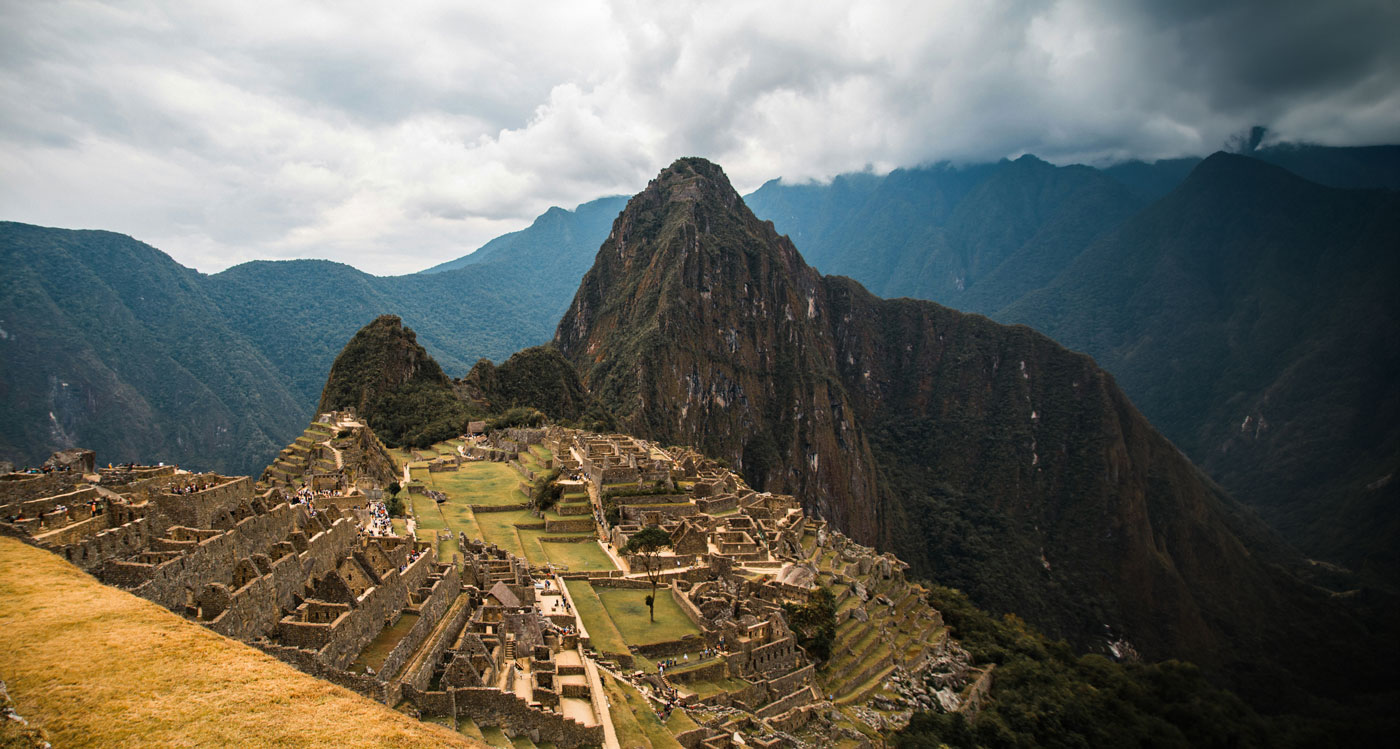
The Sacred Valley sits between Cusco and Machu Picchu at elevations between 2,800 and 3,000 meters. The climate is mild year round. The scenery is world class. And the region draws over 1.5 million international visitors annually.
Foreign buyers are drawn here for several reasons. Tourism revenue supports strong rental yields. Land prices remain a fraction of comparable destinations in Mexico, Costa Rica, or Bali. The upcoming Chinchero International Airport will dramatically improve access. And the quality of life is exceptional for the cost.
Perfecto Homes currently lists several Sacred Valley properties worth exploring. Predio Victoria offers prime land in a sought after location. Hostal Qhispicay in Ollantaytambo is an operating hospitality business ready for a new owner. And Hatuchay Valle Restaurant in Urubamba presents a turnkey commercial opportunity in the heart of the valley.
Tips for Foreign Buyers
Always verify title through SUNARP. Do not rely on verbal assurances or informal documents.
Hire a bilingual attorney who specializes in Peruvian real estate transactions.
Visit the property in person before committing. Photos do not capture boundary conditions, access roads, or neighborhood context.
Understand zoning. Municipalities in Peru regulate land use. Confirm the property is zoned for your intended purpose.
Plan your funds transfer. International wire transfers to Peru are routine but require proper documentation for compliance.
Ready to Explore Peru Real Estate?
The Peru property buying guide above covers the essentials. But every transaction has unique details. Perfecto Homes works with foreign buyers to identify opportunities, navigate the legal process, and close with confidence. Browse our Peru listings or call us directly at (916) 878-7260 to start the conversation.